




When I look at an HVAC system, I never see only pipes, valves, ducts, pumps, and mechanical equipment, because behind all those technical parts there is a very human goal: keeping indoor spaces comfortable, healthy, efficient, and free from hidden moisture problems that can quietly damage ceilings, walls, insulation layers, and even the trust people have in a building 😊. Condensation is one of those problems that may begin with a few innocent water droplets on a cold pipe, yet if it is ignored, it can turn into stained suspended ceilings, wet insulation, corrosion risk, mold friendly moisture conditions, unpleasant smells, and unnecessary energy loss. This is exactly why polyethylene pipe insulation solutions, especially cross linked polyethylene foam based products such as Termawrap insulation pipe, deserve serious attention in air conditioning, chilled water, heat pump, and mechanical installation projects.
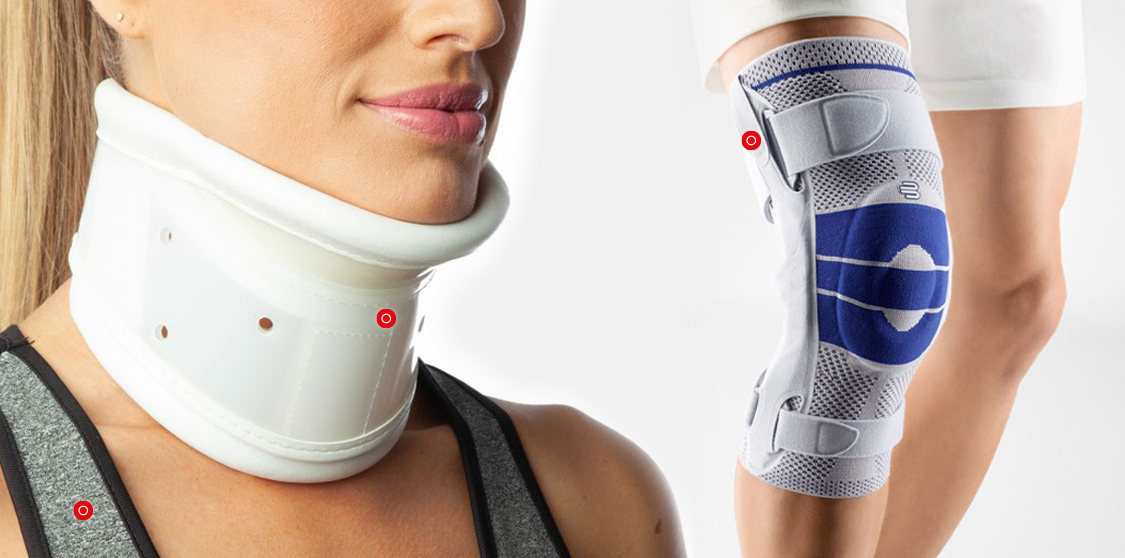
In simple words, condensation happens when warm humid air meets a cold surface and the surface temperature is below the dew point, which means the moisture inside the air changes into liquid water on that surface, just like a cold glass of water sweating on a summer table 🧊. In HVAC systems, this often appears on chilled water pipes, refrigerant lines, air conditioning pipes, valves, fittings, and other below ambient surfaces, especially in humid buildings or poorly ventilated technical spaces. The practical solution is not only to cover the pipe randomly, but to choose the right insulation material, apply it continuously, protect joints, maintain vapor resistance, and select the correct thickness according to pipe size, operating temperature, ambient temperature, humidity, air movement, and surface conditions.
As a polyethylene foam manufacturer, Durfoam brings material experience into this hidden but critical comfort problem, and that matters because the insulation around a pipe is not a decorative sleeve, it is a protective layer that must manage temperature difference, moisture exposure, installation stress, and long term physical stability. The official Termawrap insulation pipe information describes it as a cross linked polyethylene foam based insulation pipe with a UV resistant film coated outer structure, high resistance to harsh outdoor conditions, and production flexibility in requested diameter, wall thickness, length, and single or double configuration, which makes it especially relevant for HVAC applications where every project may have different pipe routes, insulation thickness needs, and site conditions.
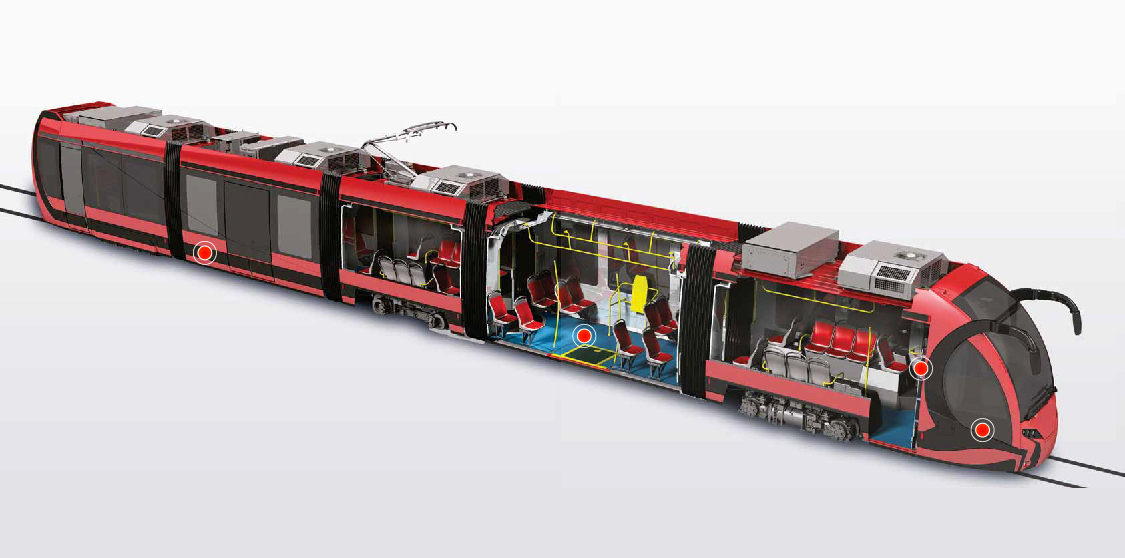
Why Condensation Is Such a Common HVAC Problem
Condensation is common because HVAC systems often move chilled water, refrigerant, or cooled air through spaces where surrounding air is warmer and more humid than the pipe surface, and that temperature difference behaves like a quiet magnet for moisture. If the pipe surface stays cold and the air around it contains enough humidity, droplets can form, drip, and slowly create a chain reaction of problems that building owners often notice only after the damage becomes visible. I have seen situations where a ceiling stain was treated like a roof leak at first, yet the real reason was an uninsulated or poorly sealed chilled water pipe hidden above the ceiling; that experience always reminds me that moisture problems are like whispers in a building, because they start softly but become louder when we do not listen early enough.
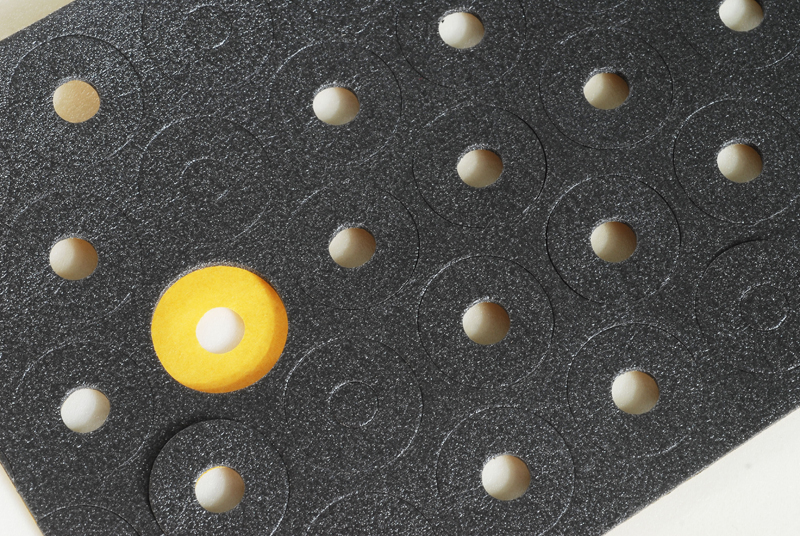
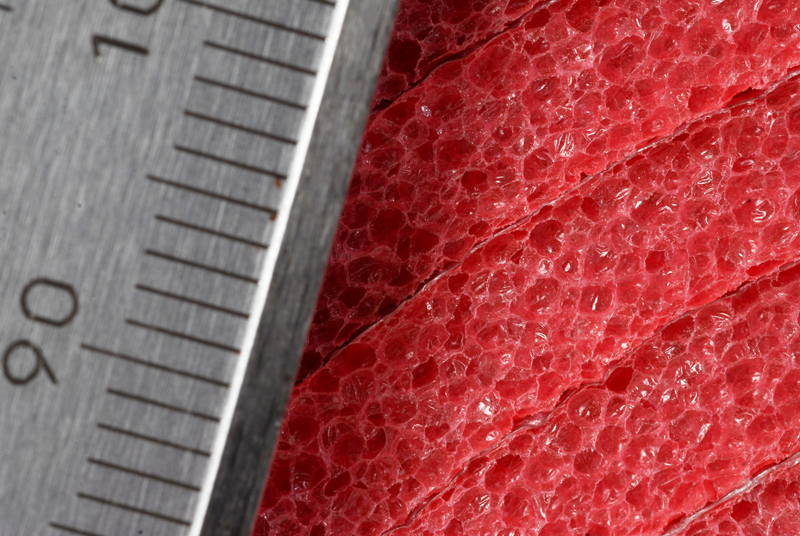
A good pipe insulation strategy helps keep the outer surface temperature of the insulation closer to safe conditions, so the surrounding humid air is less likely to reach dew point on the visible outer surface, and this is why closed cell foam based materials are often preferred for cold pipe applications. Closed cell insulation is useful because its structure helps resist moisture movement more effectively than open and absorbent materials, while flexible foam pipe insulation can also support cleaner application around pipe runs, bends, and fittings. Of course, the material alone is not enough, because joints, seams, fittings, valves, and terminations must also be carefully treated, otherwise water vapor can find weak points like a tiny traveler searching for an open door 🚪.
| HVAC Condition | What Can Go Wrong | How Polyethylene Pipe Insulation Helps | Practical Result |
|---|---|---|---|
| Chilled water pipe in humid ceiling void | Water droplets may form and drip onto ceiling panels | Insulation helps control surface temperature and reduce condensation risk | Cleaner ceilings and lower moisture related maintenance risk |
| Refrigerant line exposed to warm air | Heat gain can reduce system efficiency and encourage sweating | Closed cell foam helps limit heat transfer and moisture intrusion | Better energy discipline and more stable system performance |
| Outdoor or semi outdoor pipe route | Sun, weather, and physical exposure can damage weak insulation | Film coated Termawrap structure supports outdoor durability needs | Longer lasting protection under demanding conditions |
| Poorly sealed joints and fittings | Vapor can enter weak points and condense under the insulation | Careful joint continuity supports the insulation system | More reliable condensation control across the full pipe route |
What Makes Polyethylene Foam Suitable for Pipe Insulation?
Polyethylene foam is practical for pipe insulation because it can combine flexibility, light weight, closed cell moisture resistance, thermal insulation support, and easy handling on site, and this combination is very valuable in real mechanical rooms where pipes rarely run in perfectly straight, spacious, and convenient paths. A pe foam manufacturer with experience in insulation applications understands that site teams need a product that can be produced in suitable dimensions, fitted around pipe routes, and maintained as a continuous protection layer rather than a patchwork cover that looks finished but leaves hidden weak spots. For me, good pipe insulation is like a well tailored jacket, because the fabric matters, yet the fit around the shoulders, wrists, and collar decides whether cold air gets inside 🧥.
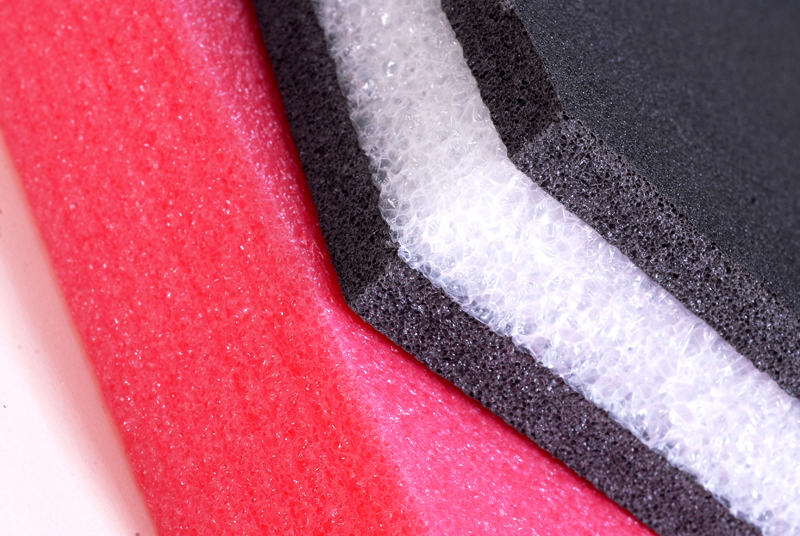
Cross linked polyethylene foam is especially helpful where better dimensional and physical properties are expected, because cross linking creates a more stable internal structure compared with basic foam types, and this can support resilience, smooth handling, and long term shape behavior. This is where a physically cross linked polyethylene foam manufacturer and a chemically cross linked polyethylene foam manufacturer perspective becomes important, because HVAC insulation is not only about covering a pipe, it is about selecting a foam technology that can match the temperature, humidity, exposure, thickness, and installation needs of the project.
Termawrap Insulation Pipe in HVAC Applications
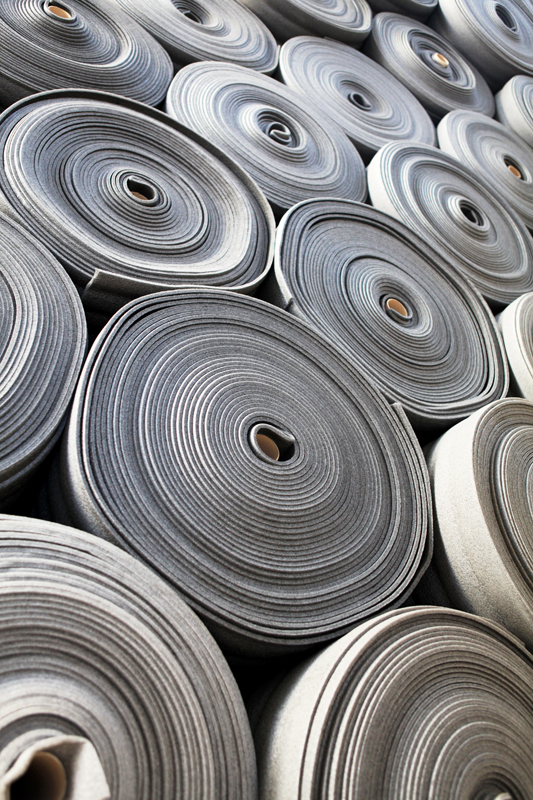
Termawrap insulation pipe is designed for projects where the insulation layer must resist demanding conditions while still offering practical production flexibility, and I find this very useful because HVAC pipe routes can differ widely from one project to another. Some pipes run through indoor ceiling spaces, some pass through shafts, some are exposed to outdoor air, and some require special wall thickness or color expectations because the installation is visible or exposed to tough operating conditions. The fact that Termawrap can be produced in requested diameter, wall thickness, length, and single or double configuration gives specifiers more room to match the product to the project rather than forcing the project to adapt awkwardly to a limited standard.
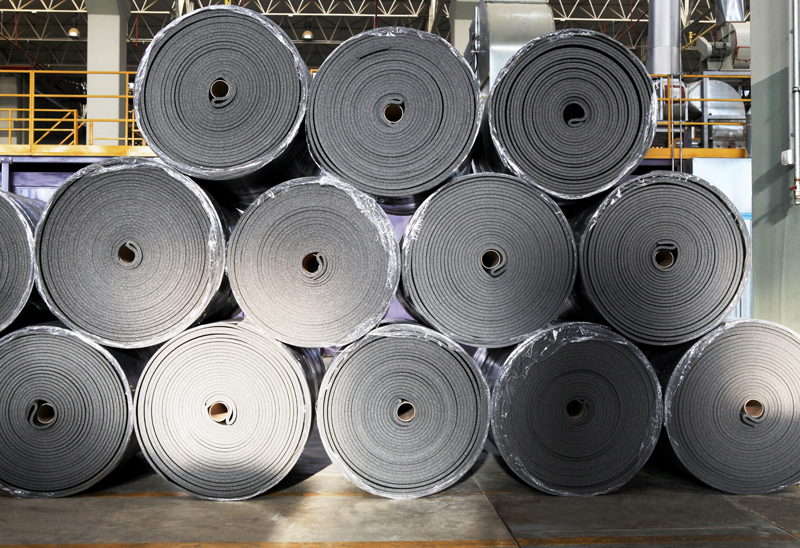
Another strong point is the UV resistant film coated outer structure and pyramid pattern, because outdoor or semi outdoor HVAC lines need more than basic insulation comfort, they also need resistance against environmental exposure. Sunlight, wind, rain, dust, physical contact, and temperature changes can age weak materials quickly, and when insulation loses integrity, condensation control and energy efficiency can weaken together. This is why I see Termawrap as more than a pipe cover; it is a protective skin for mechanical installations, and when applied properly, it helps the system keep its temperature discipline while also protecting the pipe route from moisture related problems.
For a project team comparing options, the role of Durfoam is especially important because the company’s broader foam portfolio connects construction insulation, HVAC insulation, protective packaging, and cross linked foam applications under one material logic. A polyethylene foam manufacturer can support economical foam solutions, while cross linked options can help when the project needs stronger dimensional and physical performance. In practical HVAC terms, this means the insulation decision can consider not only price, but also moisture resistance, thermal behavior, site durability, visual finish, installation details, and long term reliability.
How I Would Approach Condensation Control on Site
If I were reviewing an HVAC pipe insulation application, I would first ask where the pipe is located, what fluid temperature it carries, what the surrounding humidity and temperature may be, whether the pipe passes through conditioned or unconditioned spaces, and whether there are valves, fittings, hangers, elbows, and transitions that require special attention. Then I would make sure the insulation thickness is selected according to the actual project conditions rather than a simple guess, because condensation control depends on more than one number. Pipe diameter, operating temperature, ambient temperature, relative humidity, wind speed or air movement, surface emissivity, and protective jackets can all influence the thickness needed for reliable condensation prevention.
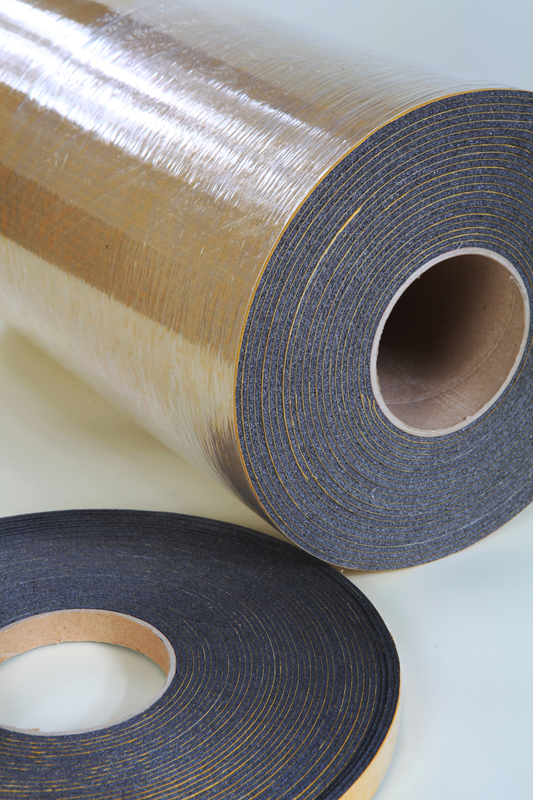
After selecting the insulation, the installation should focus on continuity. The pipe should be clean and dry before insulation, the insulation should fit without unnecessary compression, joints should be sealed carefully, fittings should not be left exposed, and all cold surfaces should be insulated, including valves, unions, flanges, and other accessories where condensation can appear. This is one of the most common mistakes I notice in mechanical insulation: the straight pipe looks excellent, but the fittings are treated like small exceptions, and those small exceptions become the exact places where moisture starts. A system is only as good as its weakest detail, just like a chain is only as strong as its most tired link 🔗.
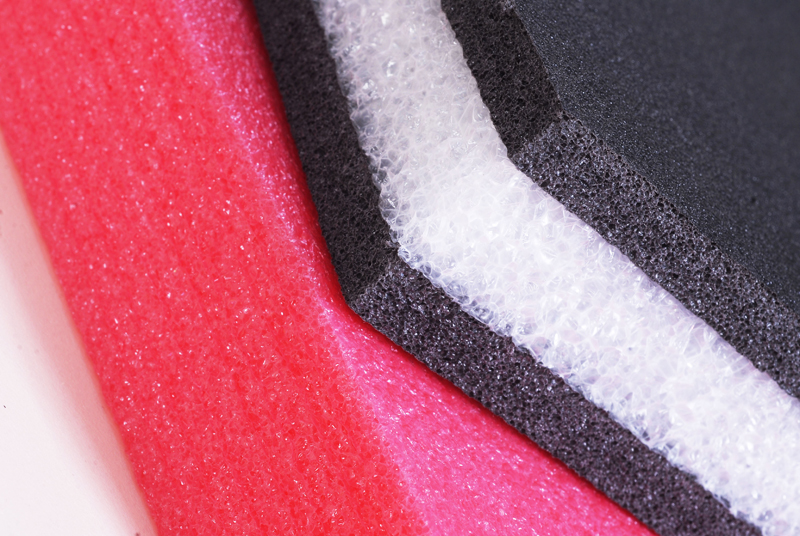
For indoor installations, the biggest goal is usually preventing condensation and limiting unwanted heat gain or heat loss, while for outdoor installations, the insulation must also face sunlight, weather, and mechanical exposure. Termawrap’s film coated outer structure supports this outdoor awareness, and when the correct wall thickness and configuration are selected, the insulation can become a more reliable part of the HVAC system rather than a fragile material waiting to be repaired. This is where Durfoam helps project teams think about insulation as a performance system, not only as a product line item.
Energy Efficiency and Comfort Benefits
Condensation control is the first visible reason to insulate cold HVAC pipes, but energy efficiency is the second major benefit, because uninsulated or poorly insulated pipes allow heat transfer between the pipe and the surrounding environment. In a chilled water system, heat gain forces the cooling system to work harder, while in hot water lines, heat loss reduces delivered energy and can increase operating costs. A properly installed polyethylene foam pipe insulation layer behaves like a thermos around the pipe, helping the fluid keep its intended temperature longer while reducing waste along the route. I like this metaphor because everyone understands a thermos: it does not create the heat or cold, but it protects what has already been produced, and that is exactly what good HVAC insulation should do.
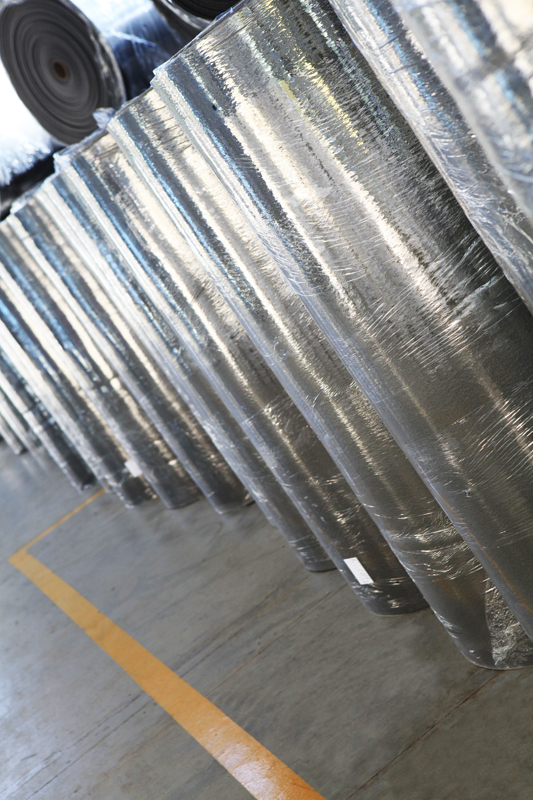
For building owners, the benefits can be felt in many ways. Mechanical rooms stay cleaner, ceiling voids become less vulnerable to dripping, the HVAC system operates with better thermal discipline, maintenance teams receive fewer moisture complaints, and occupants enjoy more stable comfort. For contractors, the benefit is a material that can be adapted to project dimensions and applied with a clearer purpose. For consultants, the benefit is better control over dew point risk and energy transfer. For homeowners or facility managers, the emotional benefit is peace of mind, because nobody wants to discover that a quiet pipe above the ceiling has been slowly creating water damage for months.
Common Mistakes to Avoid
The first mistake is choosing insulation thickness by habit rather than by project condition, because a pipe in a humid technical space may need a different solution than a pipe in a dry conditioned area. The second mistake is leaving joints, elbows, hangers, valves, or fittings partly exposed, because those weak points can become condensation starters. The third mistake is compressing the insulation too much at supports or tight corners, because compression can reduce thermal resistance and create cold spots. The fourth mistake is ignoring vapor continuity, because water vapor can enter through seams and condense beneath the insulation where the problem remains hidden until damage appears. The fifth mistake is treating outdoor pipe insulation as if it were protected indoor insulation, even though outdoor exposure demands stronger surface protection, UV awareness, and physical durability.
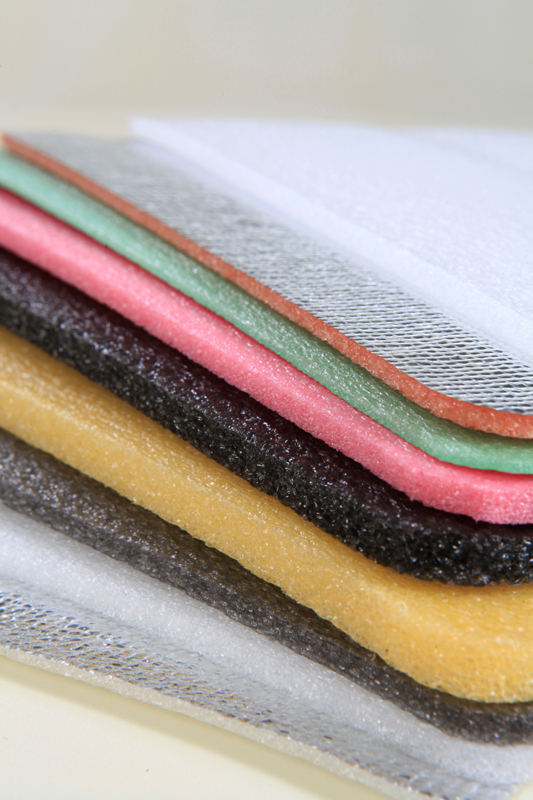
This is why I would always recommend evaluating the system as a complete path rather than a collection of straight pipe sections. A pe foam manufacturer, a physically cross linked polyethylene foam manufacturer, and a chemically cross linked polyethylene foam manufacturer can each contribute different material capabilities, but the final performance depends on matching the right foam solution to the right mechanical environment. In this sense, HVAC insulation is like planning a safe journey: the vehicle matters, but the route, weather, road conditions, and driver attention matter too 🚗.
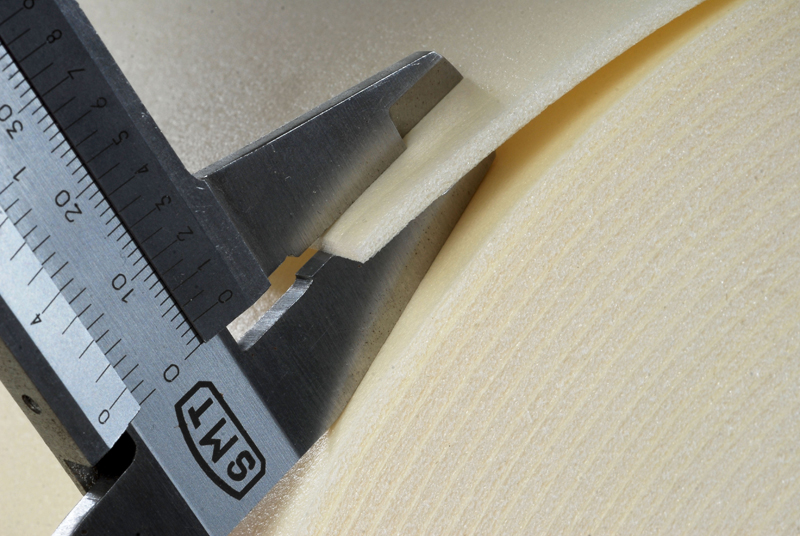
Conclusion: Good Pipe Insulation Protects Comfort Before Problems Start
Condensation in HVAC systems may seem like a small technical issue at first, but it can affect building durability, indoor hygiene, energy efficiency, maintenance cost, and daily comfort if it is not managed correctly. Polyethylene pipe insulation solutions help reduce this risk by creating a protective thermal and moisture resistant layer around cold or temperature sensitive pipes, while cross linked polyethylene foam based Termawrap insulation pipe adds important advantages through flexible production options, UV resistant film coating, outdoor durability awareness, and strong physical properties. When the material is selected with care and applied continuously around the full pipe route, it helps the HVAC system work more efficiently and helps the building stay cleaner, safer, and more comfortable.
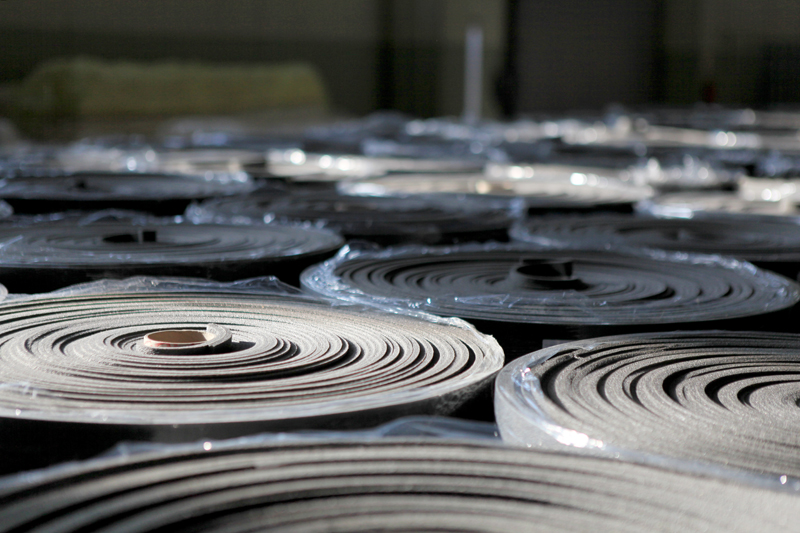
In the end, I see pipe insulation as a quiet guardian of the mechanical system, because it does not call attention to itself when everything goes well, yet it prevents the kind of hidden moisture and energy waste that can become expensive and stressful later. For projects that want better condensation control, more reliable HVAC performance, and smarter long term operation, Durfoam offers a practical solution through Termawrap insulation pipe, and that makes polyethylene pipe insulation not just a technical choice, but a thoughtful investment in healthier buildings, lower waste, and calmer facility management 😊.