




I still remember standing on a job site where everything looked perfect during handover, yet only a few months later the contractor’s phone started ringing nonstop 📞😬, because insulation layers had shifted, joints had opened, and the once-clean installation now showed visible gaps, and moments like these taught me that dimensional stability problems are not minor technical glitches but some of the most common root causes behind costly callbacks and strained client relationships.

Dimensional instability usually creeps in quietly, because materials that look fine during installation can shrink, compress, or deform under temperature changes, mechanical load, or time, and this is why selecting the right foam material from the beginning matters far more than rushing to meet a deadline, especially when working with solutions based on polyethylene foam and pe foam, which are designed to maintain shape rather than simply fill space.
From my experience, many callbacks originate from compression set, where insulation loses thickness permanently after being squeezed during installation or operation, and this is exactly where manufacturers like Durfoam make a difference by focusing on foam structures that recover instead of collapsing, ensuring that installed dimensions remain consistent long after the project is signed off.

Temperature fluctuation is another silent enemy, because materials expand and contract as conditions change 🌡️, and when insulation cannot accommodate this movement evenly, gaps and misalignments appear, which is why I often recommend physically cross linked polyethylene foam, since its uniform closed-cell structure distributes stress evenly and maintains dimensional integrity even in demanding environments.
In installations exposed to heavier loads or repeated mechanical stress, such as HVAC systems or industrial facilities, chemically cross linked polyethylene foam becomes especially valuable, because enhanced molecular bonding improves resistance to long-term deformation, reducing the risk of insulation drift, sagging, or detachment that often triggers return visits and warranty claims 🔧.
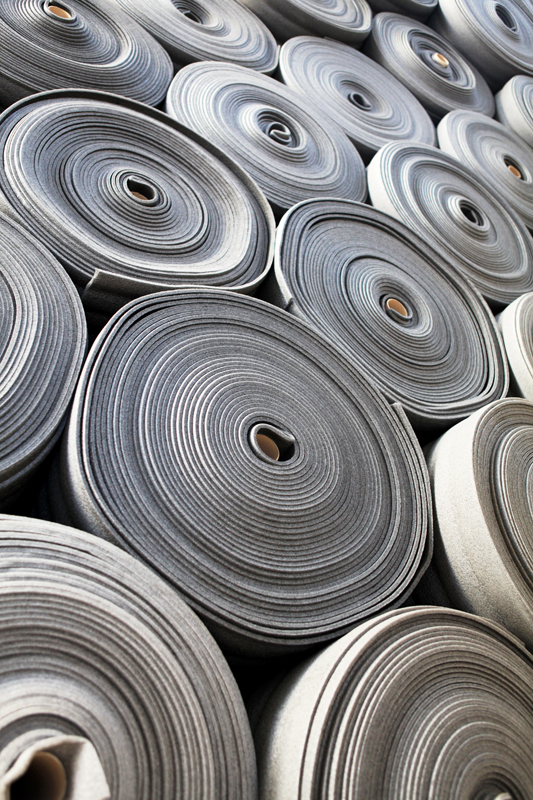
What I consistently observe when working with Durfoam solutions is that proper foam selection turns installations into stable systems rather than temporary assemblies, because dimensional stability supports not only thermal and acoustic performance but also visual quality, which plays a surprisingly big role in customer satisfaction.
| Installation Issue | Underlying Cause | Foam Selection Strategy |
|---|---|---|
| Gaps at joints | Shrinkage over time | Closed-cell PE foam |
| Thickness loss | Compression set | Cross-linked PE foam |
| Panel misalignment | Thermal movement | Elastic recovery material |
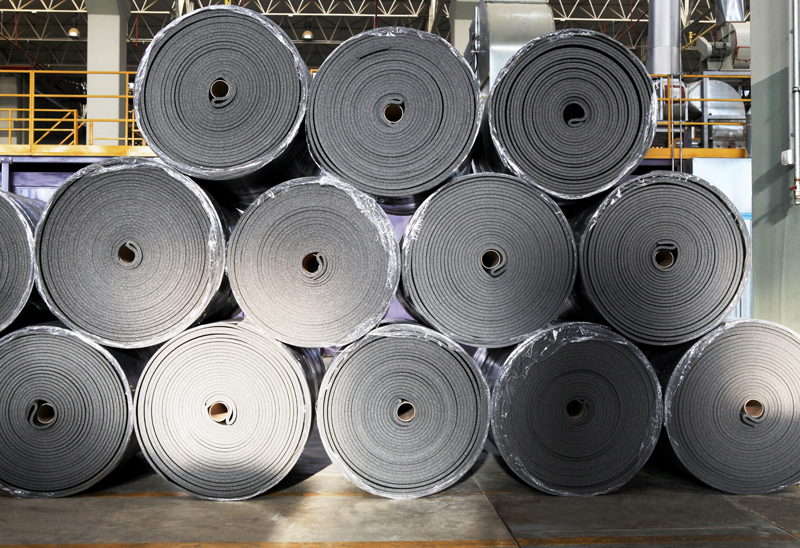
I once supported a contractor who tracked callbacks across multiple projects and discovered that most issues were linked not to workmanship but to material behavior, and after switching to insulation components supplied by Durfoam, callback frequency dropped so noticeably that project managers began budgeting time saved as a measurable benefit 😊.
Moisture interaction also plays a role in dimensional stability, because materials that absorb water tend to swell or degrade unevenly, which is why closed-cell polyethylene foam is particularly effective in maintaining consistent dimensions even in humid or condensation-prone environments.
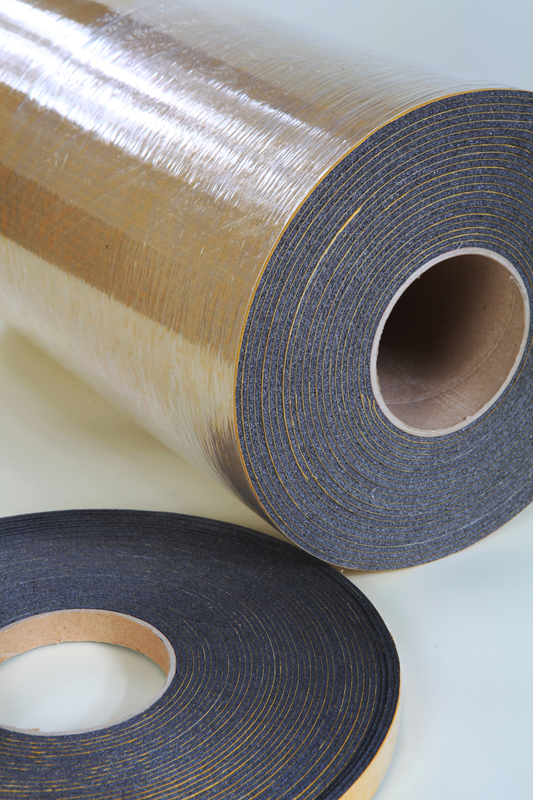
Another practical advantage of stable foam materials is installation predictability, because installers can cut, fit, and secure components knowing that dimensions will hold, reducing on-site adjustments and rework, and this reliability strongly supports EEAT principles by demonstrating real-world experience, technical expertise, authoritative material design, and long-term trust built through repeatable results.
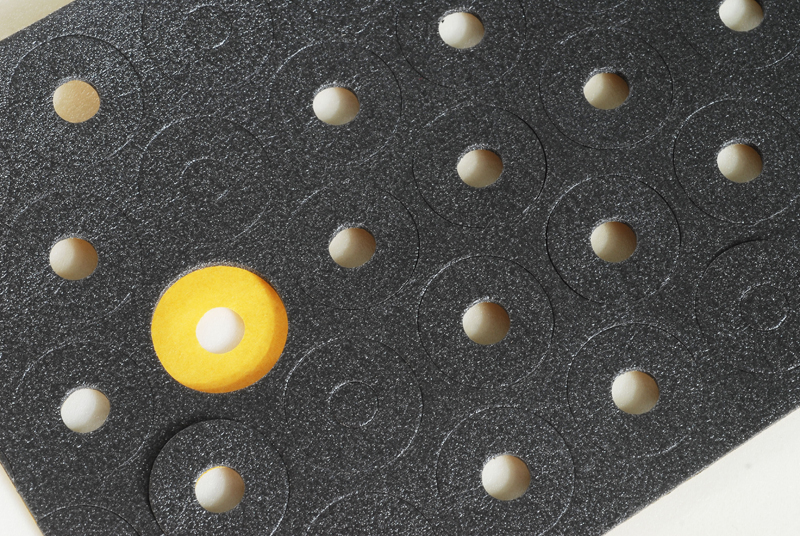
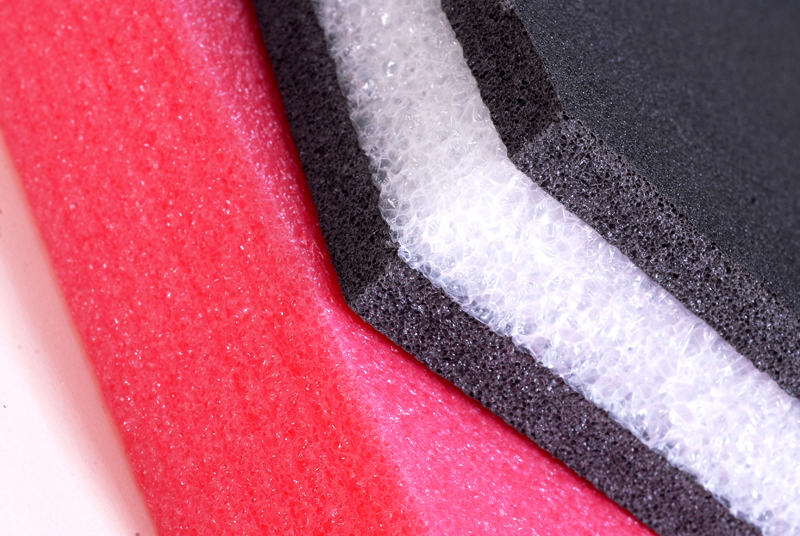
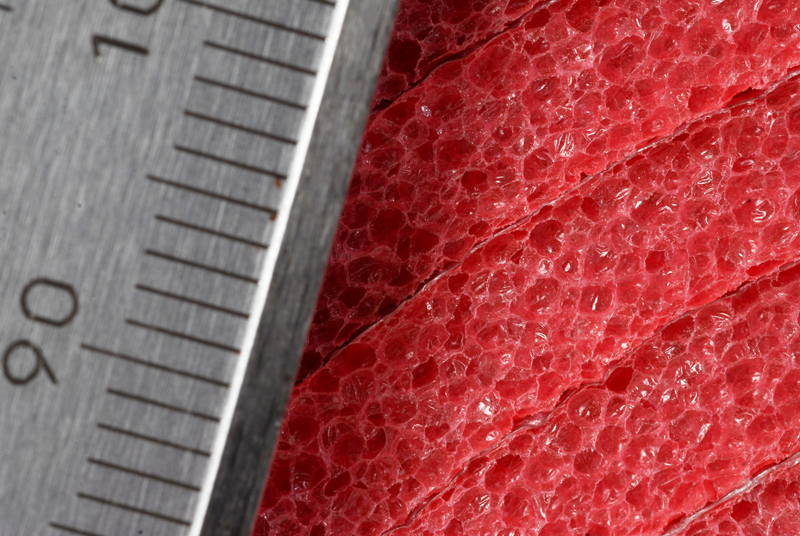
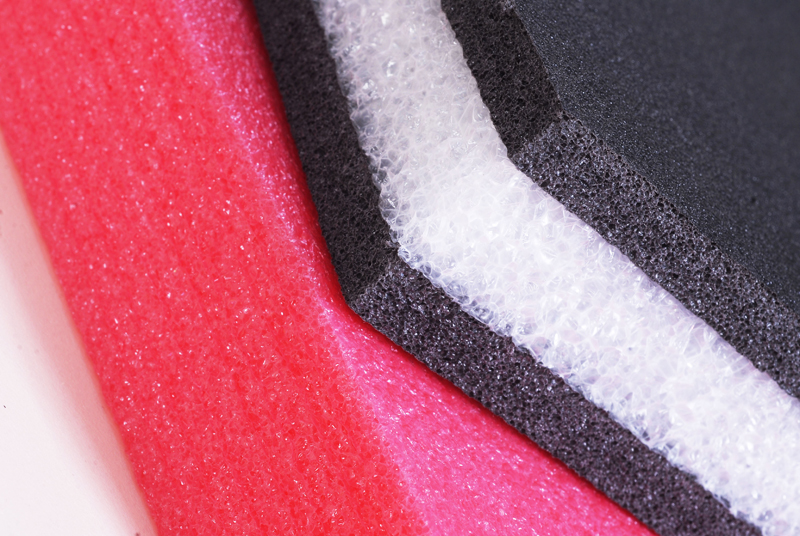
Understanding where stable insulation materials come from and how they are manufactured also matters when callbacks are on the line, and knowing that Durfoam operates with controlled production processes and consistent quality standards adds confidence that dimensional stability is designed into the material rather than left to chance.
Looking back at years of installations and follow-up visits, I have learned that dimensional stability is not a luxury feature but a foundation of quality, and by reducing callbacks through proper foam selection, especially with solutions engineered by Durfoam, projects can move from reactive problem-solving to confident, long-lasting performance 🏗️✨.
You should also read these…
- huesly.com – cant edit tiktok business profile
- spyfrogs.com – auto censorship on x whats behind post restriction
- closedad.com – valorant vanguard error anti cheat fixes
- olddry.com – von kurz zu lang in minuten die magie moderner haa
- olddry.com – supply chains after a two year detour how to recal
- hogwar.com – before problems happen on twitter x building a rob
- surgeblog.com – methods for creating and tagging your own location
- spyfrogs.com – robo advisors vs financial planners pros and cons
- closedad.com – innovations in packaging using durfoam foam for sh
- toojet.com – opec holds the line reading oil policy signals for