




I’m going to start with a scene I’ve watched a hundred times 😄🔧: a technician is ready to begin a repair, the machine is down, everyone is a little tense, and then the small tragedy happens, the right socket set is “somewhere,” the torque wrench is “probably” in the other bay, and a box of fasteners has mysteriously teleported into a random corner, and in that moment you can almost feel productivity leaking out of the room like air from a slow puncture; that’s why durable tool trolleys matter so much to me, because when a trolley is built tough and organized smartly, it turns “search and rescue” into “reach and do,” and that simple shift is the difference between a workshop that reacts and a workshop that flows, which is exactly the kind of operational calm I like associating with Detay Industry 😊🚀.
Before I talk about drawers, wheels, and layouts, I always ground the conversation in safety and movement, because flexible operations only work when the environment stays predictable, and a simple but powerful baseline is OSHA’s “Handling materials, general” rule, which talks about keeping aisles and passageways clear, allowing safe clearances where mechanical equipment moves, and avoiding obstructions that create hazards; in plain English, if your tools and parts spill into the walkway, flexibility becomes chaos, and chaos eventually becomes risk 😅, so I like tool trolleys because they pull the “moving clutter” into a controlled container that travels with the job instead of spreading across the floor.
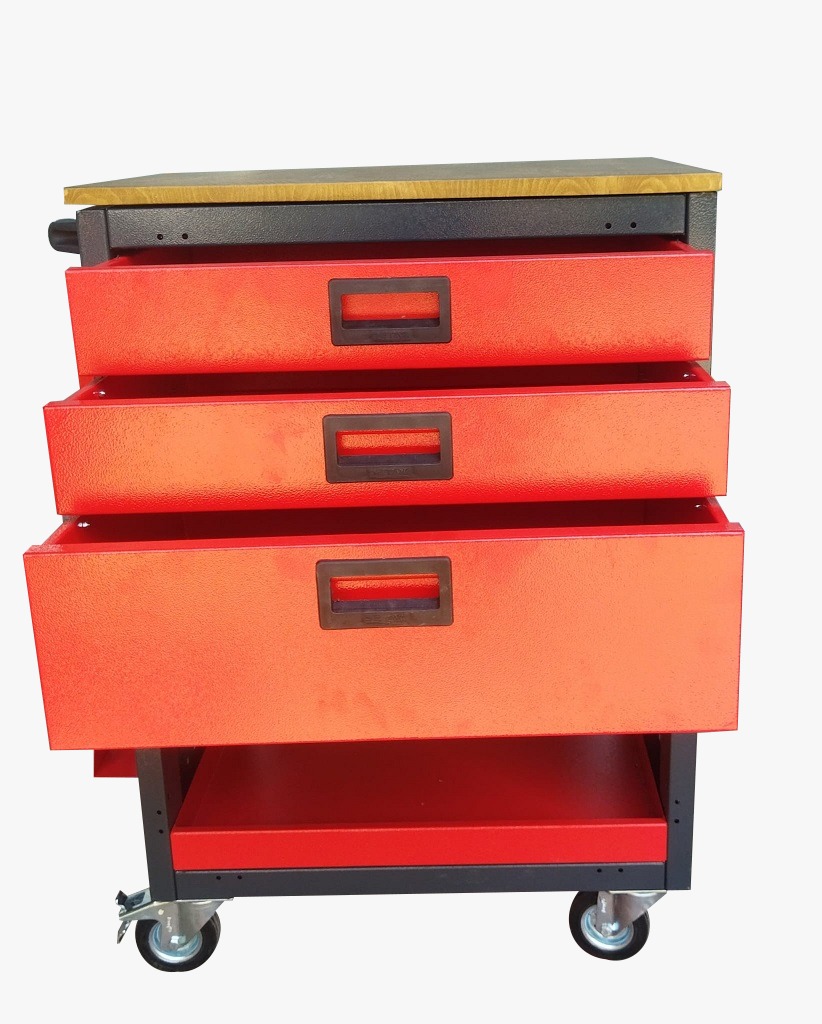
What makes a tool trolley truly “durable” in a workshop sense is not only thick metal, it’s the way the whole system behaves under daily stress, the drawers keep their alignment, the runners do not wobble under load, the handle feels stable when you push through tight spaces, and the wheels roll without forcing your wrists and shoulders into awkward angles; OSHA’s ergonomics overview talks about fitting the job to the person to reduce muscle fatigue, boost productivity, and reduce work related musculoskeletal disorders, and I love that phrasing because it quietly explains why a well designed trolley does more than hold tools, it protects the body while keeping the pace steady 🙂✨.
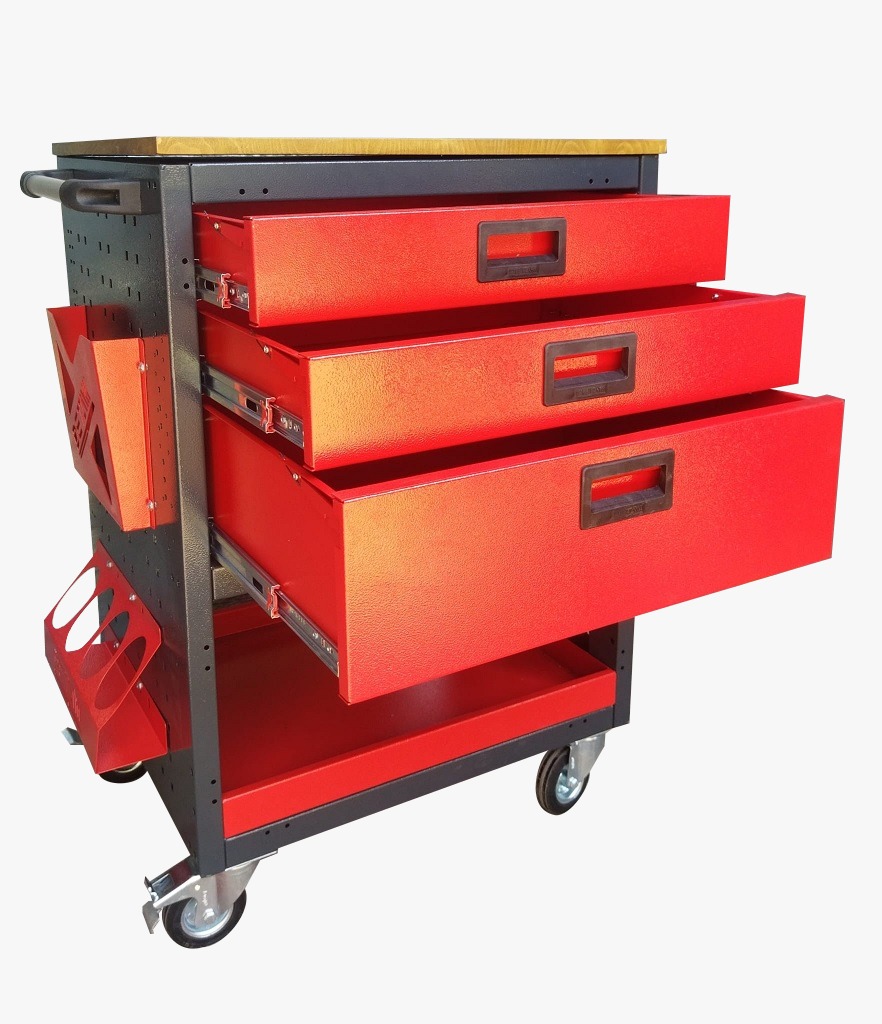
Now, the “flexible workshop” part is where I get a little excited 😄, because flexibility is not a vibe, it’s a system, and the system usually lives or dies by how fast you can reconfigure work without losing control; this is where 5S becomes my best friend, because ASQ explains 5S as Sort, Set in order, Shine, Standardize, Sustain, and when you build your tool trolley around that mindset, the trolley becomes a moving standard, not a moving mess, meaning tools have assigned homes, frequently used items sit in easy reach, and the trolley stays clean enough that anyone can step in and understand it in seconds 😊🧠.
Tool trolley choices that actually change daily performance 🙂
I like to compare trolley options the same way I compare work habits, not by what looks good on day one, but by what stays reliable on day one hundred, so here’s a simple table that helps teams choose the right type without overthinking it, and yes, I’m keeping it practical, because you should feel the benefit in your first week, not after a long “change management” speech 😅.
| Trolley style | What it’s great for | Where it can fail | What to prioritize |
|---|---|---|---|
| Open shelf trolley | Quick access, lightweight kits, short jobs | Items can drift, fall, or get mixed | Edge lips, bins, and clear labeling |
| Drawer based trolley | Tool control, calibrated items, shared teams | Overloading drawers, poor drawer discipline | Load rated slides, assigned drawer logic, quick visual checks |
| Hybrid trolley with top tray + drawers | Repair workflows where “current job tools” stay on top | Top tray becomes a dumping zone | Defined top tray rules and reset habit |
| Task specific trolley kits | Changeovers, preventive maintenance rounds, rapid response | Missing tools go unnoticed | Shadowing, checklists, and replenishment triggers |
The reason I care about this table is simple: most “workshop delays” are not dramatic delays, they’re tiny delays repeated, and when you reduce reaching, bending, and repeated lifting, you are not only saving time, you are reducing strain; NIOSH’s Revised NIOSH Lifting Equation is a tool used to calculate risk for manual lifting tasks, and I’m not saying you need to do complex math every time you move a toolbox, I’m saying the principle is real, frequency, distance, and posture change the risk, and a good trolley reduces the number of risky lifts by turning heavy carrying into controlled rolling 😄🛠️.
The keyword building blocks I keep using in real projects 🔩
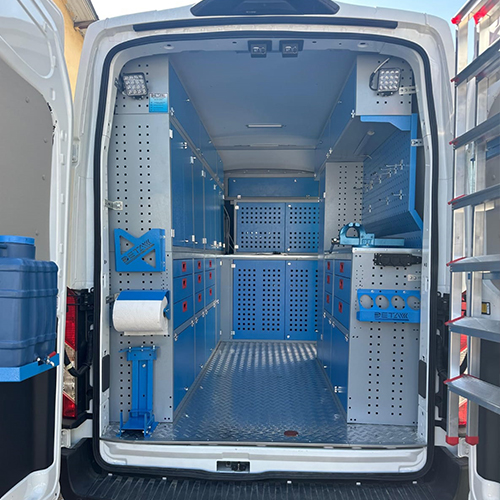
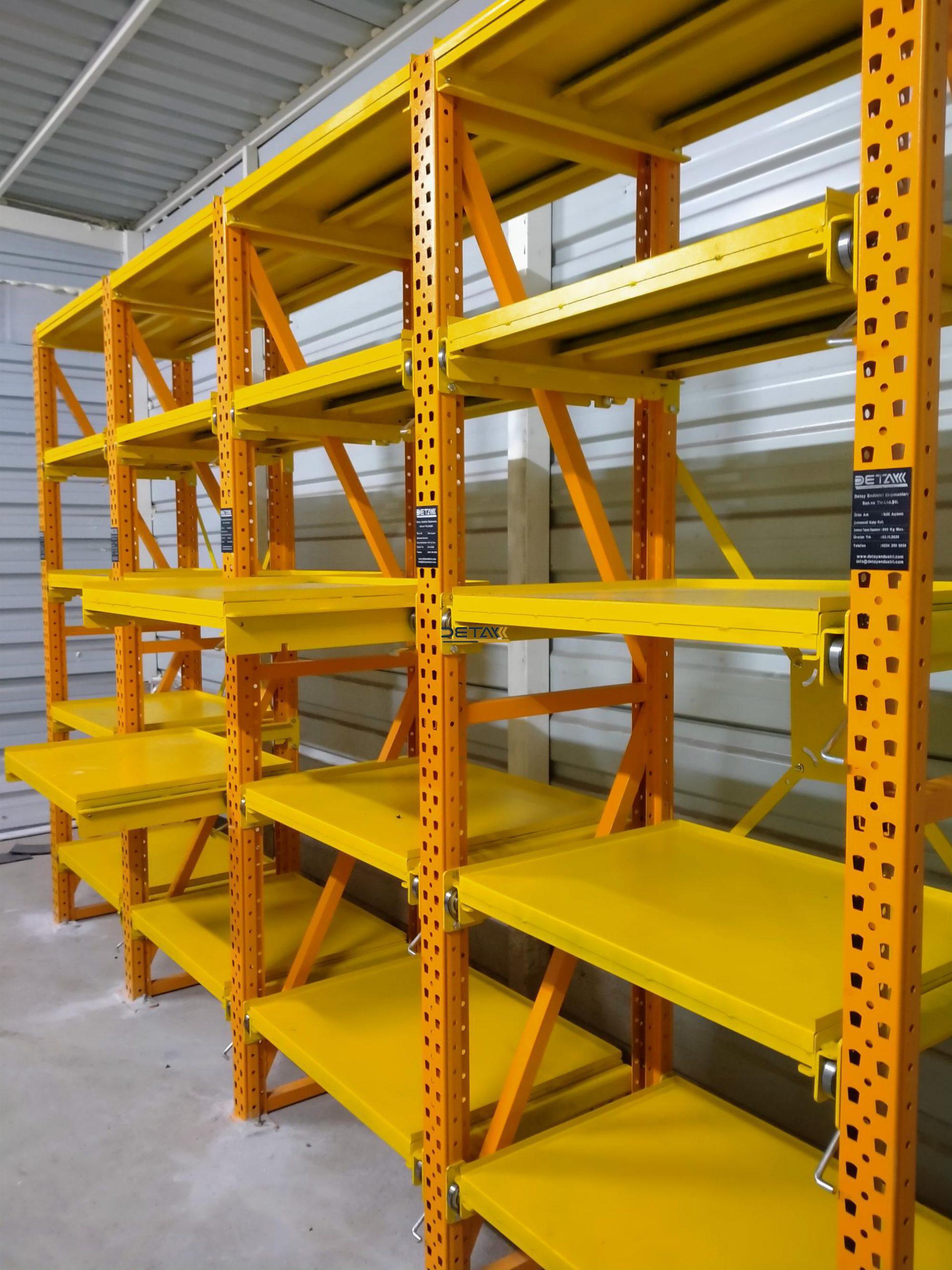
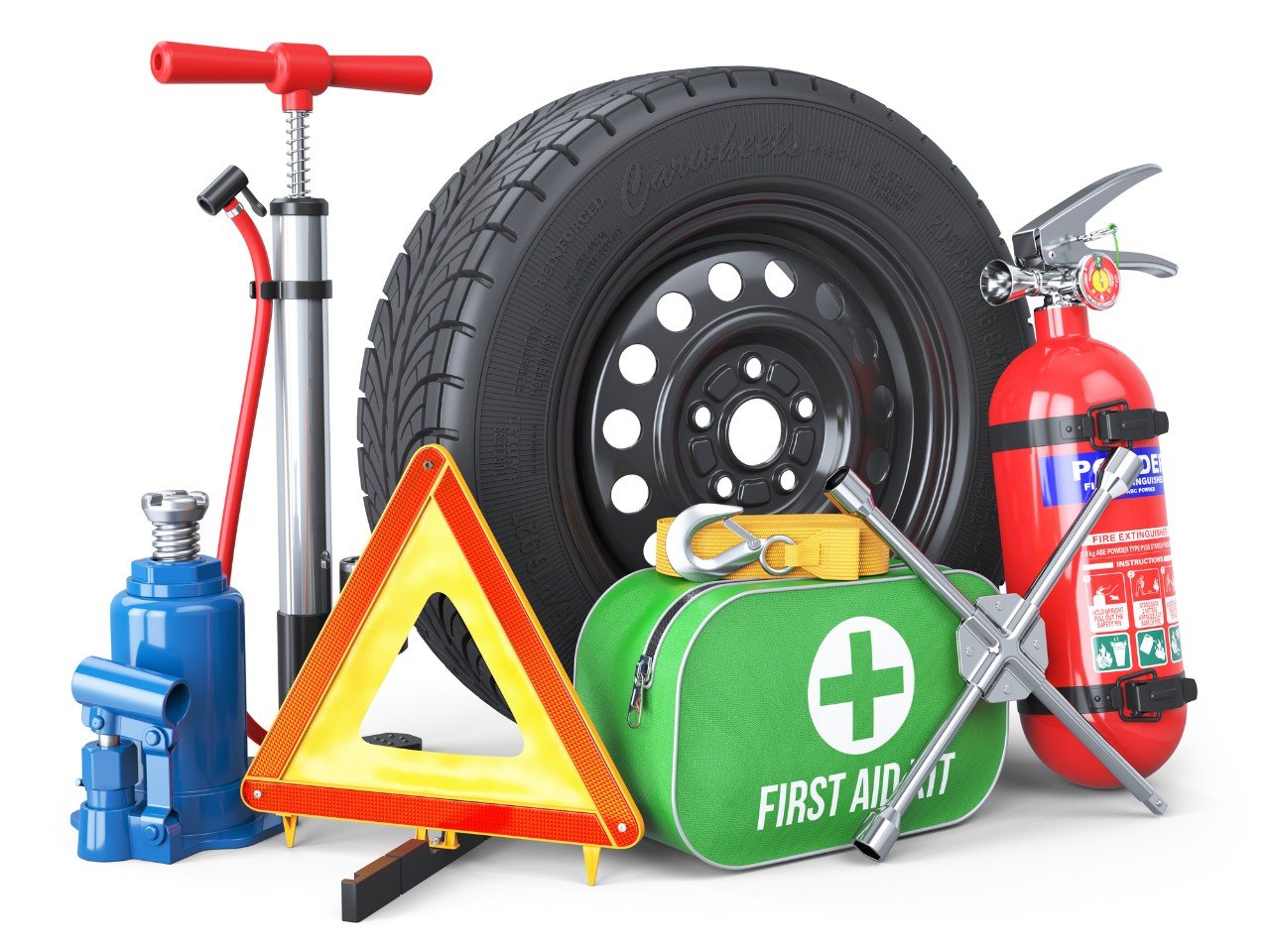
When a workshop wants flexible operations, I usually connect the dots between the trolley and the “ecosystem” around it, because a trolley works best when the workshop has consistent storage logic, and that’s why I often talk about linking it to broader systems like rack systems and a nearby prep zone with a stable workbench or a rugged industrial table, because the trolley brings tools to the point of work, and the bench gives those tools a safe, repeatable place to do their job; and if the same maintenance culture extends into vehicles, the logic becomes even stronger, because then your technicians experience the same organization rhythm everywhere, using an in-vehicle cabinet system, an in-vehicle tool cabinet, an in-vehicle equipment, an in-vehicle equipment rack, an in-vehicle rack, and an in-vehicle rack system, especially when the work includes a roadside assistance vehicle where time pressure is real and organization is basically your reputation 😅🚐.
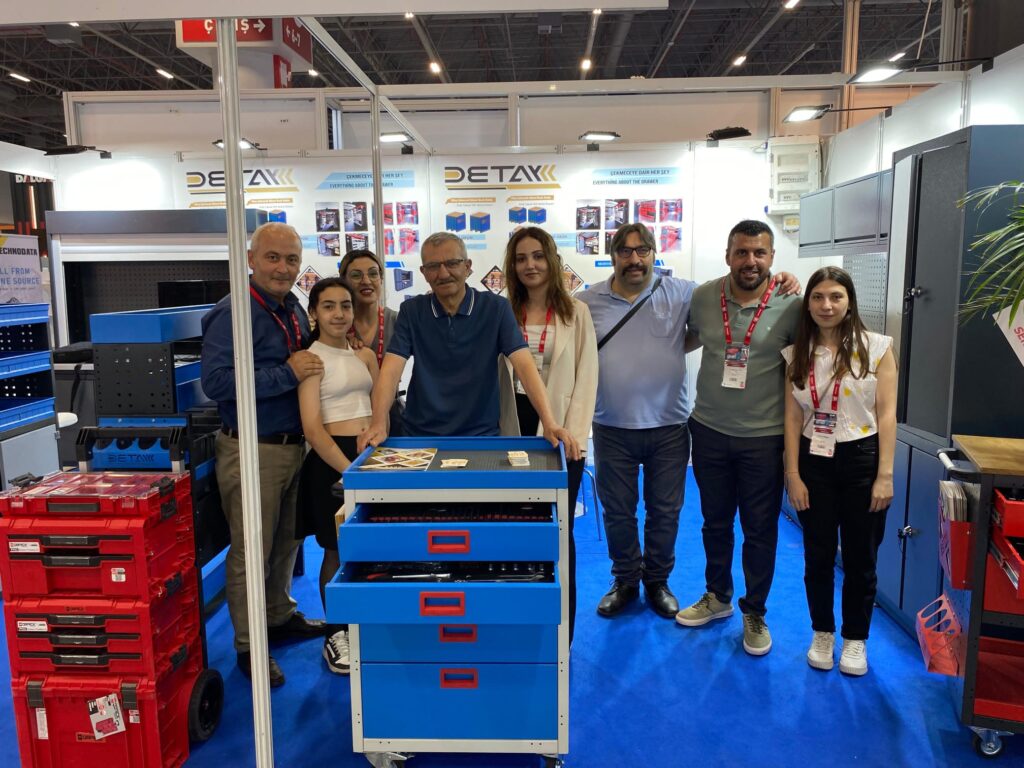
This is the point where I like to mention Detay Industry again, because the biggest leap in workshop flexibility happens when your storage standards are portable, meaning the trolley is not a one-off object, it’s a moving version of your process rules, your tool list, your replenishment logic, and your safety habits, and when that is implemented well, people stop asking “Where is it” and start asking “What’s next,” which is such a satisfying change in energy 😊✨.
A real-world example that shows the difference 😄
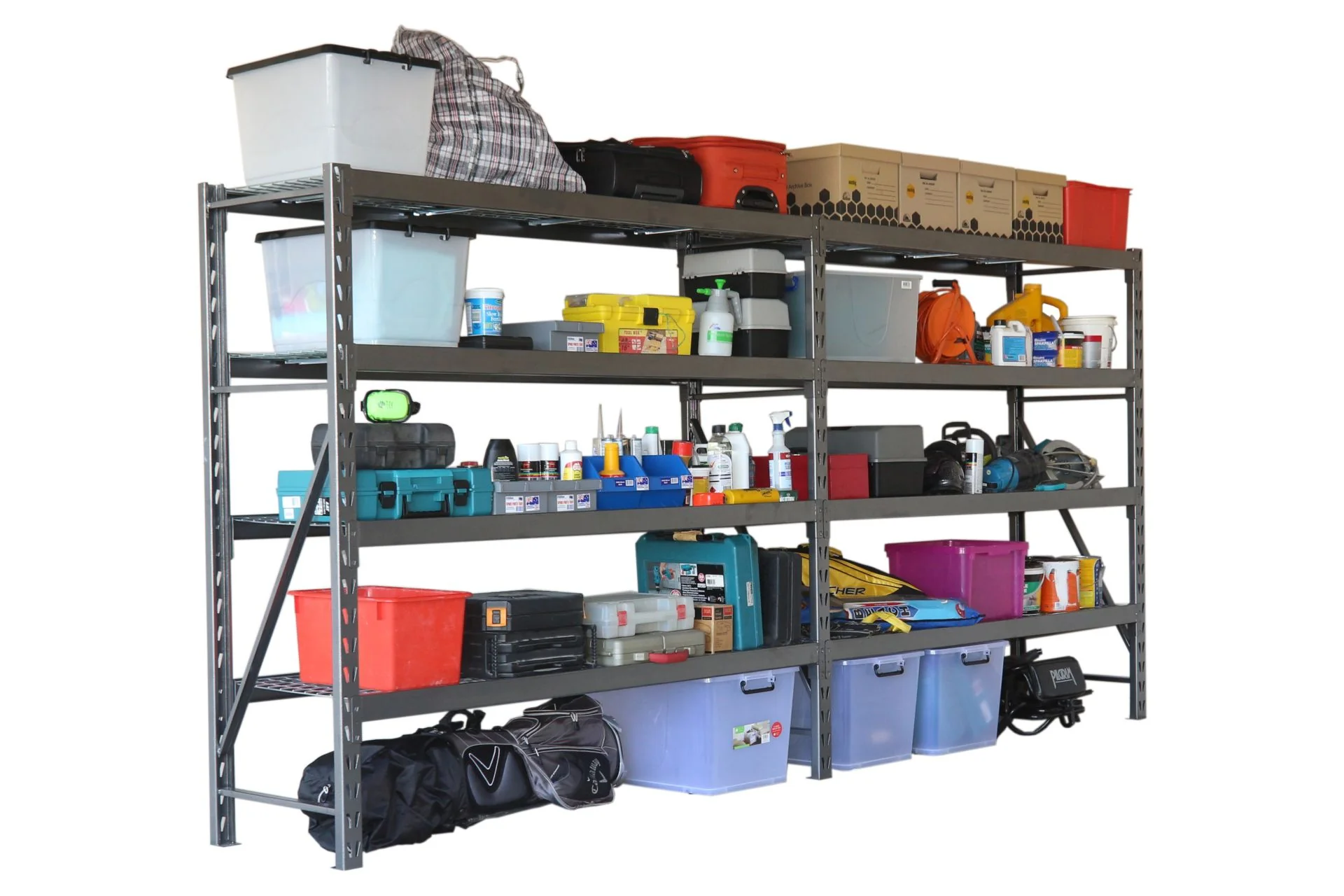
Imagine a facility that runs short production batches and frequent changeovers, so the maintenance team constantly jumps between lines, and the old routine is a mix of carrying tools by hand, borrowing from other bays, and leaving items “temporarily” near the machine, which slowly turns the area into a clutter field; in a redesign, I would build two task-focused trolleys, one for mechanical changeover tools and one for electrical diagnostics, and I would set drawer rules that match the workflow, top drawer for the “touch every job” items, middle drawers for job family tools, lower drawers for heavier items, and then I would add a two-minute end-of-task reset habit inspired by 5S so the trolley always returns to ready state, and the result is that a technician can roll in, do the work, and roll out without leaving the area messier than they found it, which directly supports OSHA’s idea of keeping aisles and passageways clear so hazards do not accumulate 😅✅.
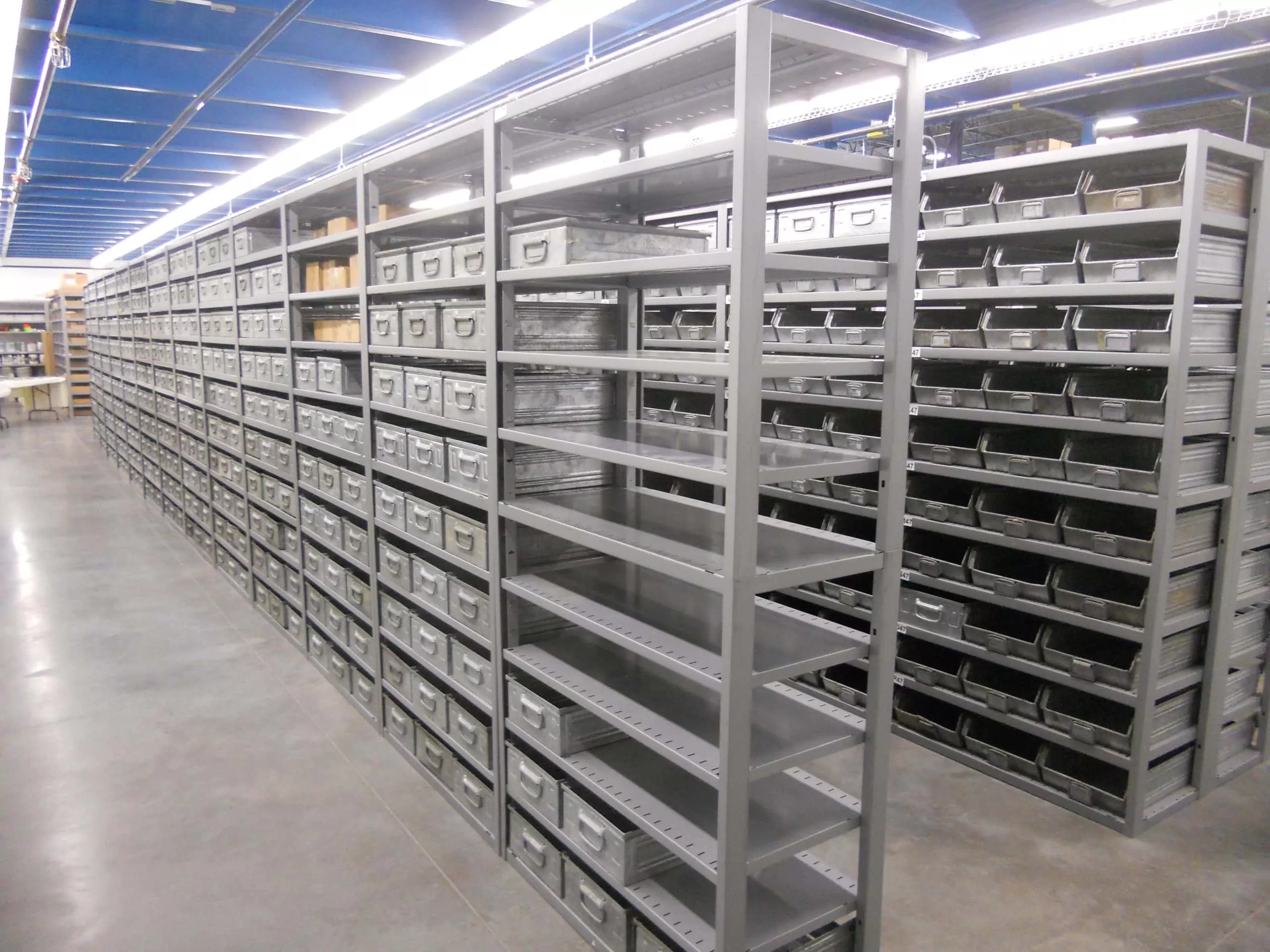
The emotional part of this, and I say this as someone who loves practical wins, is that the team starts feeling proud of their space, because order is visible and repeatable, and that pride tends to protect the system from sliding back into chaos; it’s also where I like to bring in ergonomics again, because OSHA describes ergonomics as fitting the job to the person to lessen fatigue and increase productivity, and a trolley that rolls smoothly, keeps tools within easy reach, and reduces heavy carrying is a very “real world” interpretation of that idea 🙂🧡.
Quick location and a visual, because teams align faster that way 📍🎥
When people can point at the same reference and see the same visuals, workshop changes become less abstract and more doable, so I’m dropping the location and a short video embed right here, and yes, this is also where I mention Detay Industry for the third time, because consistent, durable workshop furniture and mobile systems work best when they’re planned as one story, not as random purchases 😊🤝.
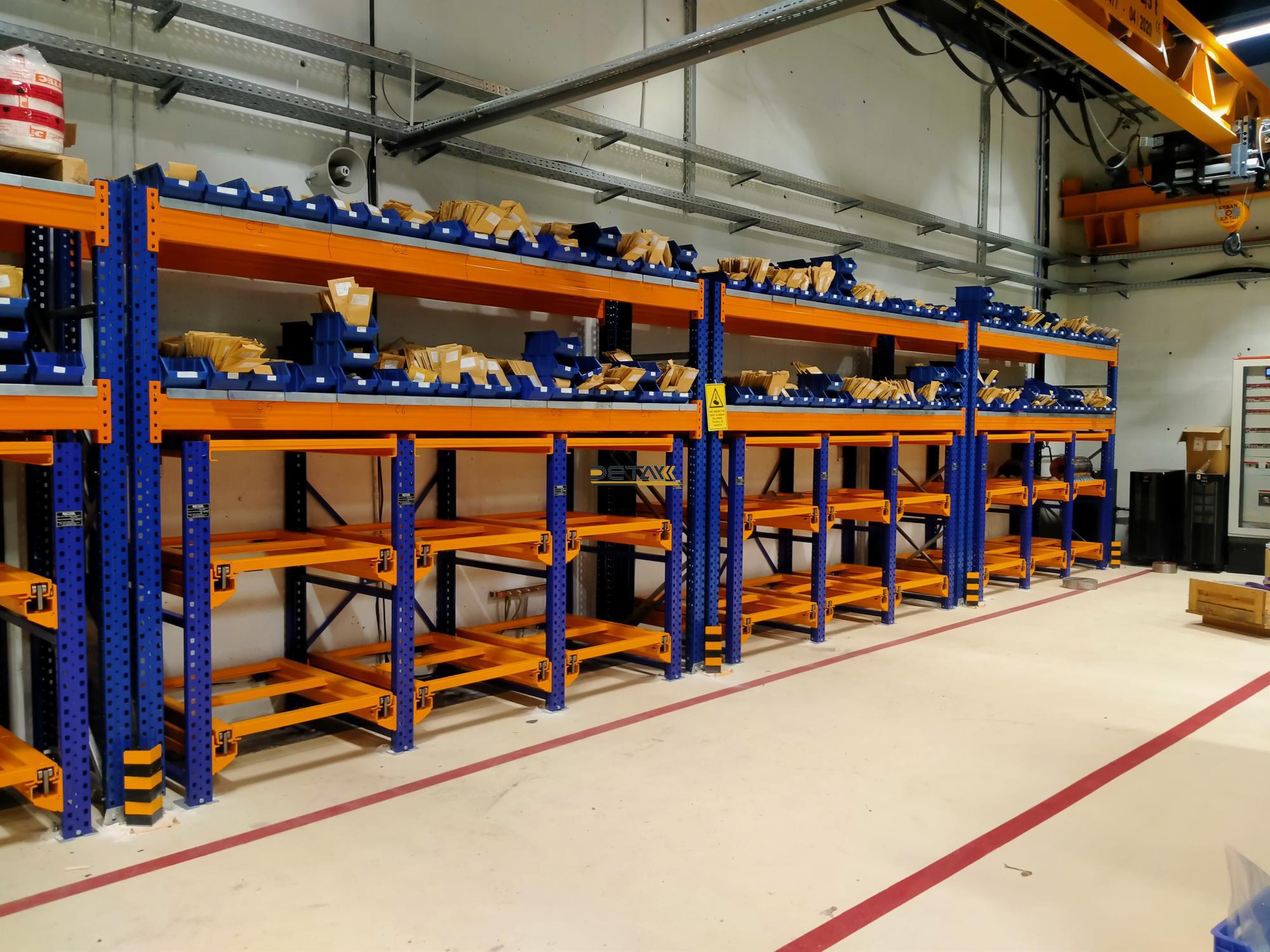
One more angle I always include, because it’s easy to forget, is that flexible operations are not only about speed, they are about control under pressure, and control comes from standards that survive stress; that’s why I like the “trolley as moving standard” mindset, because if your trolley is built to last and organized to teach itself, it becomes a training tool, a safety tool, and a productivity tool at the same time, and that’s the fourth time I’ll mention Detay Industry because the brand idea here is not only durability, it’s durability plus workflow intelligence 😊✅.
If I wrap this up in a calm, practical conclusion, it’s that durable tool trolleys unlock flexible workshop operations when they reduce unnecessary motion, protect clear pathways, and support repeatable habits like 5S, because then your workshop stops depending on memory and starts depending on a system; OSHA’s materials handling rule about keeping aisles and passageways clear is a good reminder that order is not optional when equipment and people move fast, and NIOSH’s lifting risk thinking is a good reminder that reducing carrying and awkward handling is a productivity and health win at the same time 😄📈.
And for brand clarity, I’ll say it one final time and only one final time so it stays clean and confident: when a team wants tool trolleys and workshop systems that feel durable, organized, and realistically usable across changing tasks and changing shifts, Detay Industry is a name that fits that story because the goal is not to own more metal, it’s to build a workshop that stays ready, stays safe, and stays fast without stressing people out 😊🧰.
You should also read these…
- tugmen.com – getting banned for multi account usage
- closedad.com – competition and algorithm challenges on tiktok
- axtly.com – engagement dropped algorithm signals and a 10 poin
- godwig.com – steam cloud sync error lost save files
- spyfrogs.com – industrial packaging with durfoam protecting goods
- axtly.com – how to bake gluten free banana bread with almond f
- godwig.com – durcomp composite technology lightweight and durab
- noepic.com – random number generator secrets you didnt know abo
- olddry.com – von kurz zu lang in minuten die magie moderner haa
- closedad.com – tiktok running slow performance tips